
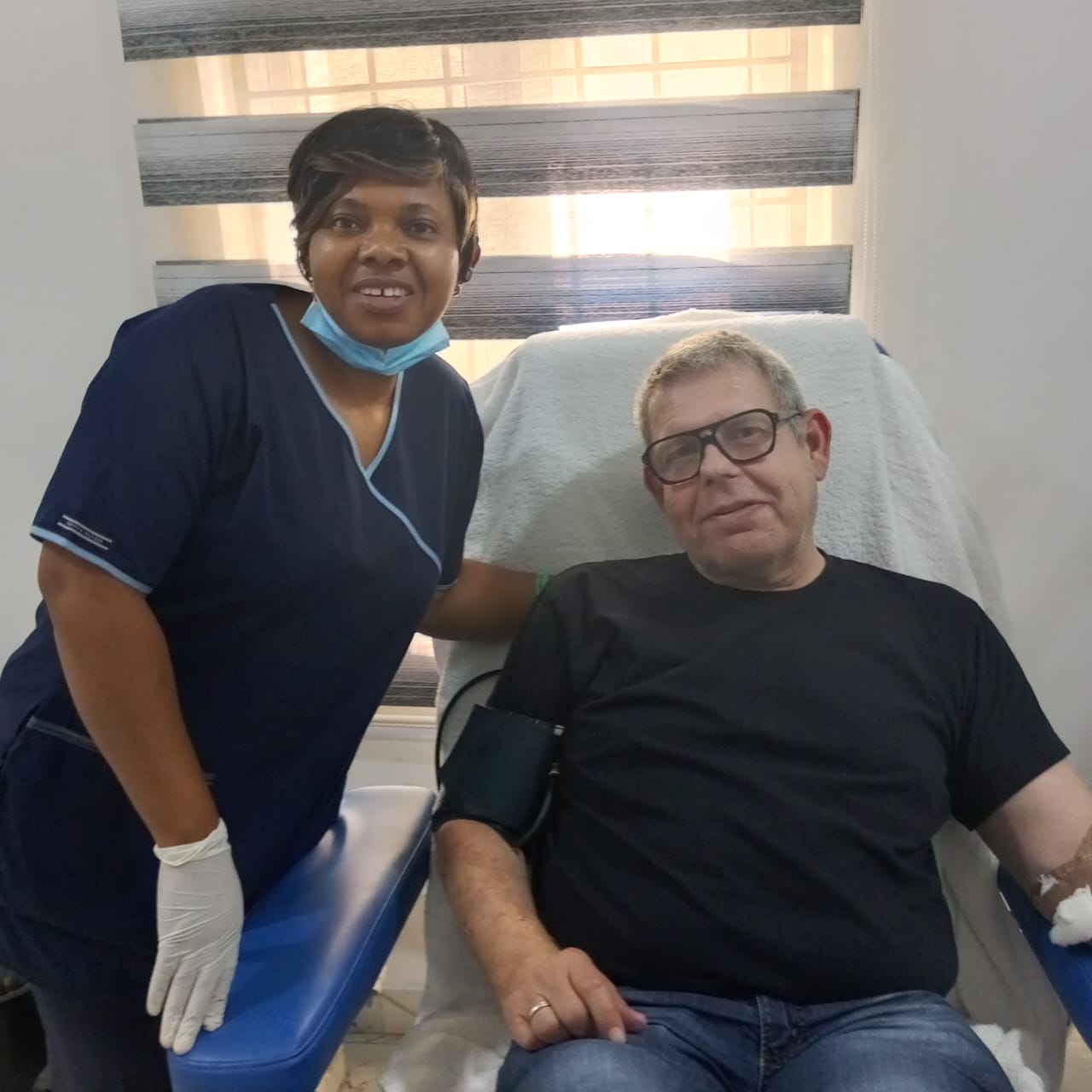
Caring for an elderly person living with Chronic Kidney Disease is more than just giving medication—it is about providing comfort, attention, and a better quality of life.
This condition requires patience, understanding, and a holistic approach. With the right care, you can help slow the disease, prevent complications, and ensure your loved one lives with dignity and peace.
1. Keep a Close Eye on Their Health
Regular monitoring is very important.
Make sure to:
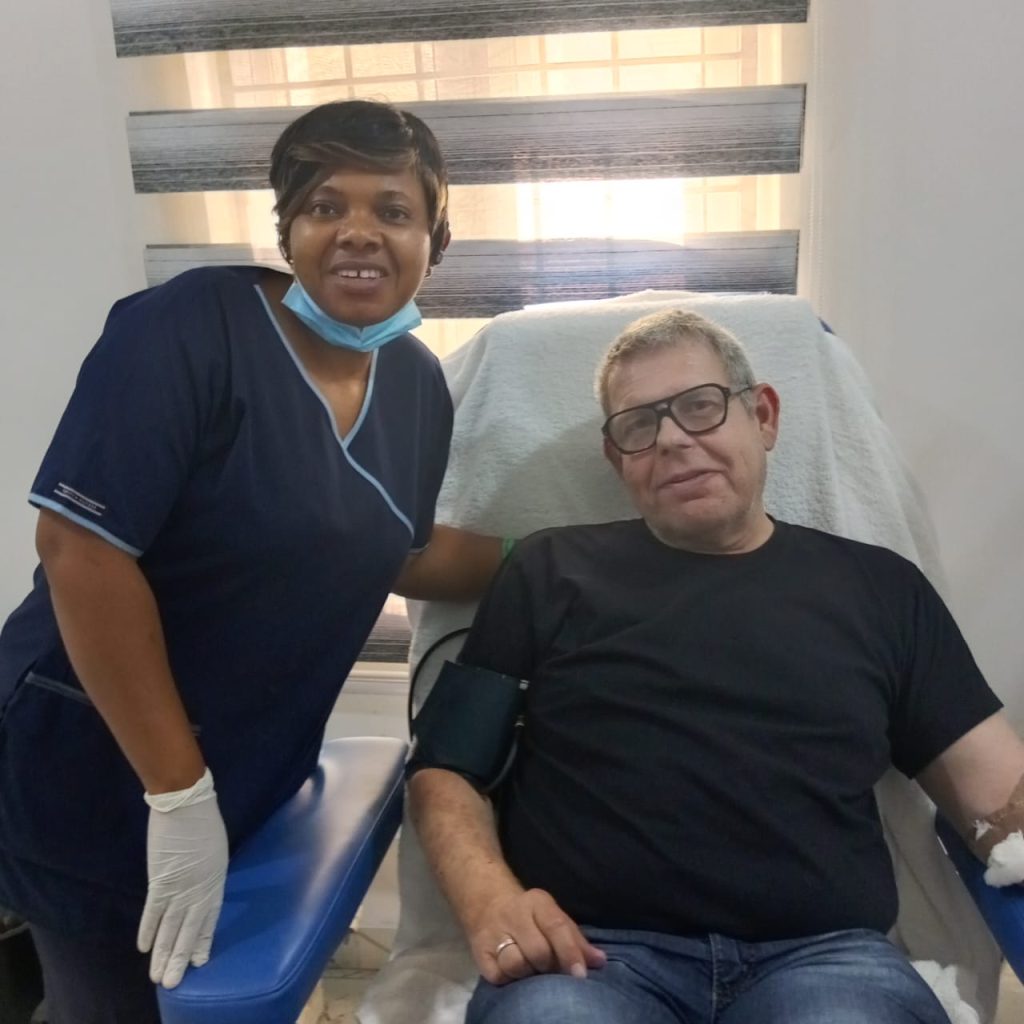
- Check kidney function through tests like urea, creatinine, and eGFR
- Monitor blood pressure closely
- Watch for swelling or shortness of breath (signs of fluid buildup)
- Look out for signs of anemia and electrolyte imbalance
Early detection of changes can prevent serious complications.
2. Manage Medications Properly
Medications play a key role in managing CKD.
Ensure:
- Drugs are taken exactly as prescribed
- Blood pressure medications are used regularly
- Treatments for anemia and mineral balance are followed
Avoid harmful drugs like certain painkillers (e.g., Ibuprofen) unless approved by a doctor.
3. Pay Attention to Diet and Nutrition
Food can either help or worsen the condition.
Encourage:
- Low salt meals to control blood pressure
- Moderate protein intake to reduce kidney stress
- Limiting foods high in potassium like bananas and oranges (if needed)
- Reducing phosphorus-rich foods like dairy and processed meals
At the same time, ensure they eat enough to stay strong and avoid malnutrition.
4. Manage Fluid Intake Carefully
Too much or too little fluid can be harmful.
- Follow the doctor’s advice on fluid limits
- Monitor how much they drink and pass out
- Watch for dehydration or fluid overload
Balance is key.
5. Prevent Complications Before They Start
Managing other conditions is very important, especially:
- High blood pressure
- Diabetes Mellitus
Also, be alert for:
- High potassium levels
- Bone problems
- Acid imbalance in the body
Prevention is always better than treatment.
6. Support During Dialysis (If Needed)
If dialysis becomes necessary, extra care is required.
- Help the patient prepare mentally and physically
- Monitor access points like fistulas or catheters
- Ensure they stick to their dialysis schedule
- Watch for any unusual symptoms during treatment
7. Maintain Good Skin and Personal Care
CKD can cause skin problems like itching.
Help by:
- Keeping the skin clean and moisturized
- Preventing bed sores by repositioning regularly
- Maintaining good oral hygiene
Small care routines make a big difference.
8. Provide Emotional and Social Support
Living with a chronic illness can be overwhelming.
- Offer reassurance and companionship
- Encourage family involvement
- Help them stay as independent as possible
A caring environment improves both mental and physical health.
9. Ensure Safety and Prevent Falls
Elderly patients may feel weak or dizzy.
- Keep the environment safe and well-lit
- Remove slippery surfaces
- Assist with movement when necessary
Safety should always come first.
10. Educate and Empower
Knowledge helps both the caregiver and the patient.
Teach them:
- What foods to avoid
- The importance of taking medications
- Warning signs like reduced urine, swelling, or fatigue
- The need for regular hospital visits
Final Thoughts
Caring for an elderly person with Chronic Kidney Disease is a journey of patience, compassion, and commitment.
With proper care, support, and attention, you can help them live a more comfortable and meaningful life.
Remember: It’s not just about adding years to life, but adding life to their years.


